This film unpacks some of the complexities that Karuk youth and Tribal people face when confronting the ideas of education, learning, and success. In interviews with Karuk elders, educators, parents and past students we talk about the history of boarding
As fish dependent communities are working to remove dams on the main stem, a new focus is being placed on key tributaries where the overwhelming majority of salmon spawn. The Scott River is one of the most important.
This video was edited by 11th grade student Geena Talley and is from a Karuk Food Security project funded by the USDA Agriculture and Food Research Initiative #2012-68004-20018 in March 2014.
Arts, Cultural Heritage, Natural Resources, Traditional Knowledges
Summary
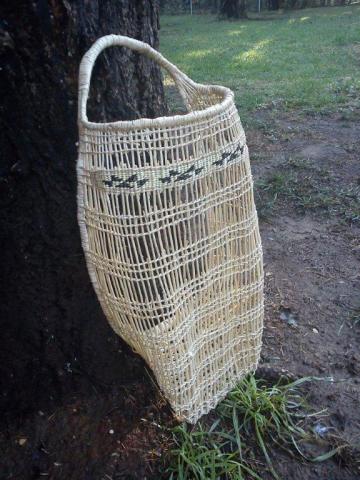
Karuk Basketweaver Brittany Souza. Her baby basket is made of Hazel Sticks/ Sarip (Black): Maiden hair fern Yumaareekritapkir and Bear Grass (White): Panyurar.
The purpose of this Protocol is to preserve the Karuk Tribe’s (“Tribe”) ability to protect the intellectual property rights of present and future generations of the Karuk People and to recognize the inherent tribal sovereignty.
A set of guiding principles that can govern future research and other collaborative projects with the Tribe to ensure protection of intellectual and cultural property and recognize tribal sovereignty.